 Sarasota Siding
 What Sarasota's Climate Actually Does to a Roof in Rosemary District
Rosemary District sits close to downtown Sarasota and close enough to the water that salt air is a real factor, not a theoretical one. That combination — urban infill lots, a mix of older bungalows and newer construction, and constant exposure to Gulf Coast weather — puts specific demands on a roof that a generic "metal roofing" page won't cover.
Four things wear on a roof here year-round: hurricane-force wind events that test every fastener and seam, intense year-round UV that breaks down coatings and sealants faster than in northern climates, wind-driven rain that finds any weak point in flashing or underlayment, and salt-laden air that accelerates corrosion on anything not rated for it. None of these are occasional problems. In Sarasota County they're baseline conditions a roof has to be built for from day one, not retrofitted against later.
For metal roofing specifically, that means the panel gauge, the fastening method, the underlayment, and the metal alloy itself all have to be chosen with this exposure in mind — not picked off a standard spec sheet built for a drier, calmer climate.
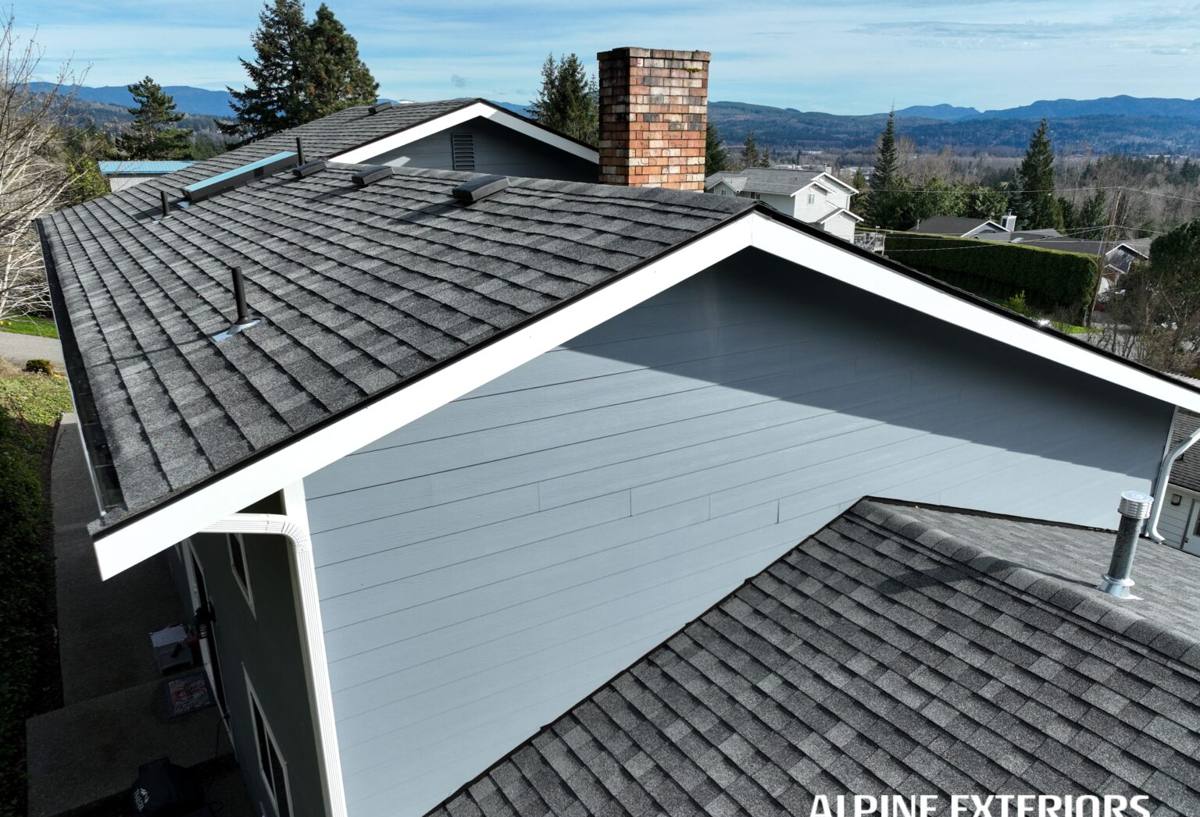
Metal Roofing Systems: Which One Fits an Urban Sarasota Lot
Not all metal roofing is built the same way, and the two main categories perform very differently in coastal wind and rain.
Standing Seam
Standing seam panels interlock along raised seams with no exposed fasteners on the roof surface. The panels are attached with concealed clips, which lets the metal expand and contract with heat without stressing the fastener points. That's important in Sarasota, where roof surface temperatures swing hard between a cool morning and full afternoon sun. Standing seam is our default recommendation for homes in this area because it handles thermal movement and wind uplift better and has fewer long-term maintenance points.
Exposed-Fastener Panel
Exposed-fastener (screw-down) panels cost less up front and install faster, but every screw penetration is a potential leak point, and the rubber washers under those screws degrade under UV exposure and need periodic replacement — typically starting somewhere in the 10-15 year range, sometimes sooner with this much sun. It can be a reasonable option for a garage, shed, or budget-driven project, but we don't recommend it as a primary roof on a coastal Sarasota home without a clear understanding of that maintenance tradeoff.
| Factor | Standing Seam | Exposed-Fastener |
|---|---|---|
| Fasteners | Concealed clips | Exposed screws through the panel |
| Wind performance | Generally higher uplift resistance | Lower; depends heavily on fastener spacing |
| Maintenance | Minimal once installed correctly | Washer replacement over time |
| Upfront cost | Higher | Lower |
| Best fit | Primary residential roof | Secondary structures, budget projects |
Material and Coating Choices for Salt Air Exposure
The metal itself matters as much as the panel style. Galvalume steel (steel coated with an aluminum-zinc alloy) is a solid, widely used product, but in areas with sustained salt air exposure — which includes Rosemary District given its proximity to the bay — aluminum panels are worth the extra cost for their corrosion resistance. Aluminum doesn't rust, period, and it holds up better long-term in a marine-influenced environment.
Whichever base metal is used, the factory finish matters too. A PVDF (Kynar-type) coating resists UV fade and chalking far better than cheaper polyester coatings. Given how much direct sun this roof will see every single day of the year, we don't recommend cutting cost on the coating — it's the difference between a roof that still looks close to new after a decade and one that's visibly faded and chalky.
What a Correctly Installed Metal Roof Actually Involves
A metal roof is only as good as its installation details. The panel is the part homeowners notice; the parts that actually keep water and wind out are underneath and around it.
Wind Uplift and Attachment
Every metal roofing product installed in this area needs a valid Florida Product Approval (or Miami-Dade NOA where applicable) matched to the actual wind speed and exposure category of the site, and the fastening pattern has to follow that approval — not a generic spacing pulled from memory. Clip spacing, screw type and length, and panel-to-deck attachment all change based on wind zone, roof pitch, and building height. Skipping this step is the single most common way a metal roof fails in a wind event.
Underlayment for Wind-Driven Rain
Wind-driven rain doesn't fall straight down — it gets pushed sideways and upward under panel laps. That's why we use a self-adhered, high-temperature underlayment as a secondary water barrier under the metal, not just a standard felt. If wind ever pushes water past the panel seams, the underlayment is what keeps it out of the deck and the attic below.
Flashing Details
Valleys, roof-to-wall transitions, penetrations for vents and stacks, and chimney or parapet flashing are where most metal roof leaks actually originate — not the flat panel field. Correct step flashing, counter-flashing, and sealed penetration boots are non-negotiable details, and they take real time to do right, which is part of why a rushed metal roof job so often leaks within a few years.
Permitting and Working Around Rosemary District's Mixed Housing Stock
Rosemary District has a mix of older homes and newer infill construction, which means roof age, deck condition, and pitch vary a lot from one lot to the next. Before any metal goes on, we check the existing deck for soundness — old plank decking or moisture-damaged sheathing needs to be addressed first, since metal roofing will telegraph an uneven or weak deck over time.
All metal roofing work in the City of Sarasota requires a building permit and inspection, tied to the wind load and product approval documentation mentioned above. If a property has any historic designation or is subject to specific design review, that adds a step to confirm the proposed panel profile and color are acceptable before installation — something worth clarifying with the city early rather than after materials are ordered.
- Confirm current roof deck condition before assuming a straightforward tear-off and re-cover
- Verify whether the property has any historic or design-review status that affects exterior changes
- Pull the permit and have wind uplift documentation matched to the site's actual wind zone
- Ask whether the underlayment is rated for high heat under metal, not standard felt
- Get the flashing plan in writing for valleys, walls, and penetrations before work starts
Our Process, Start to Finish
We keep the process straightforward and communicate at each step rather than disappearing between the estimate and the install date.
- On-site evaluation — we inspect the existing roof, deck condition, flashing points, and any problem areas, and take accurate measurements.
- Written proposal — panel style, metal type, coating, underlayment, and flashing scope are spelled out, not left vague.
- Permitting — we pull the required City of Sarasota or Sarasota County permit with the correct wind uplift documentation for your address.
- Tear-off and deck check — old roofing comes off and the deck is inspected and repaired before anything new goes down.
- Underlayment and flashing — the water management layer goes in first, since it matters more than the visible metal.
- Panel installation — installed to the fastening pattern required by the product approval for your wind zone.
- Final inspection and walkthrough — city inspection sign-off, then we walk the finished roof with you.
What Drives the Cost
Metal roofing costs vary by home, so we won't quote a number without seeing the roof — but these are the factors that actually move the price up or down.
| Factor | Why It Matters |
|---|---|
| Panel type | Standing seam runs higher than exposed-fastener due to labor and clip hardware |
| Metal and coating | Aluminum and PVDF finishes cost more than steel and standard coatings, but last longer in salt air |
| Roof complexity | Valleys, dormers, and multiple roof planes add labor and flashing work |
| Deck condition | Rotted or undersized decking found during tear-off adds repair cost |
| Roof pitch and access | Steep or hard-to-access roofs take longer and require more safety setup |
Keeping a Metal Roof Performing in This Climate
A correctly installed metal roof is low-maintenance, not no-maintenance. We recommend a visual check after any major storm for lifted panels, debris in valleys, or damaged flashing sealant, plus a general inspection every year or two. Salt air exposure means it's worth rinsing accumulated grime and salt residue off the roof periodically, especially on homes closer to the water, since buildup can accelerate wear on fasteners and coatings over time. Catching a small flashing or sealant issue early is far cheaper than dealing with deck damage after it's gone unnoticed for a season.
Why a Crew That Already Works This Neighborhood Matters
Rosemary District's mix of older homes and newer builds means no two roofs here are quite the same — deck age, pitch, and prior roofing choices all vary. A crew that regularly works this specific area has already dealt with the deck surprises, permitting steps, and flashing quirks that come with that mix, instead of learning them on your project. That familiarity shows up in fewer change orders, a smoother permit process, and a roof detailed correctly the first time — which matters a lot more with metal roofing than with materials that are more forgiving of a mediocre install.
If you're weighing metal roofing for a home in Rosemary District, we're happy to take a look and walk you through what your specific roof needs — no pressure, no pushy sales pitch. Fill out the form below and we'll set up a free estimate.