 Sarasota Siding
 New-Construction Windows Built for Rosemary District's Growth
Rosemary District, just north of downtown Sarasota, has spent the last several years turning from a quiet, low-rise neighborhood into one of the most actively built areas in the city. Townhomes, mixed-use buildings, and infill single-family homes are going up on lots that sat untouched for decades. If you're building new here, the windows going into those rough openings are doing more structural and weatherproofing work than most homeowners realize — they're not just glass and frame, they're a load-bearing part of the building envelope that has to perform against Sarasota's wind, rain, and sun for the next 20-plus years.
This page is about one specific job: installing windows during new construction, in this one neighborhood. Not window replacement in an existing home, not a general overview of every siding or window service we offer — just what a correct new-construction window install looks like for a Rosemary District build, and why that installation matters as much as the window itself.
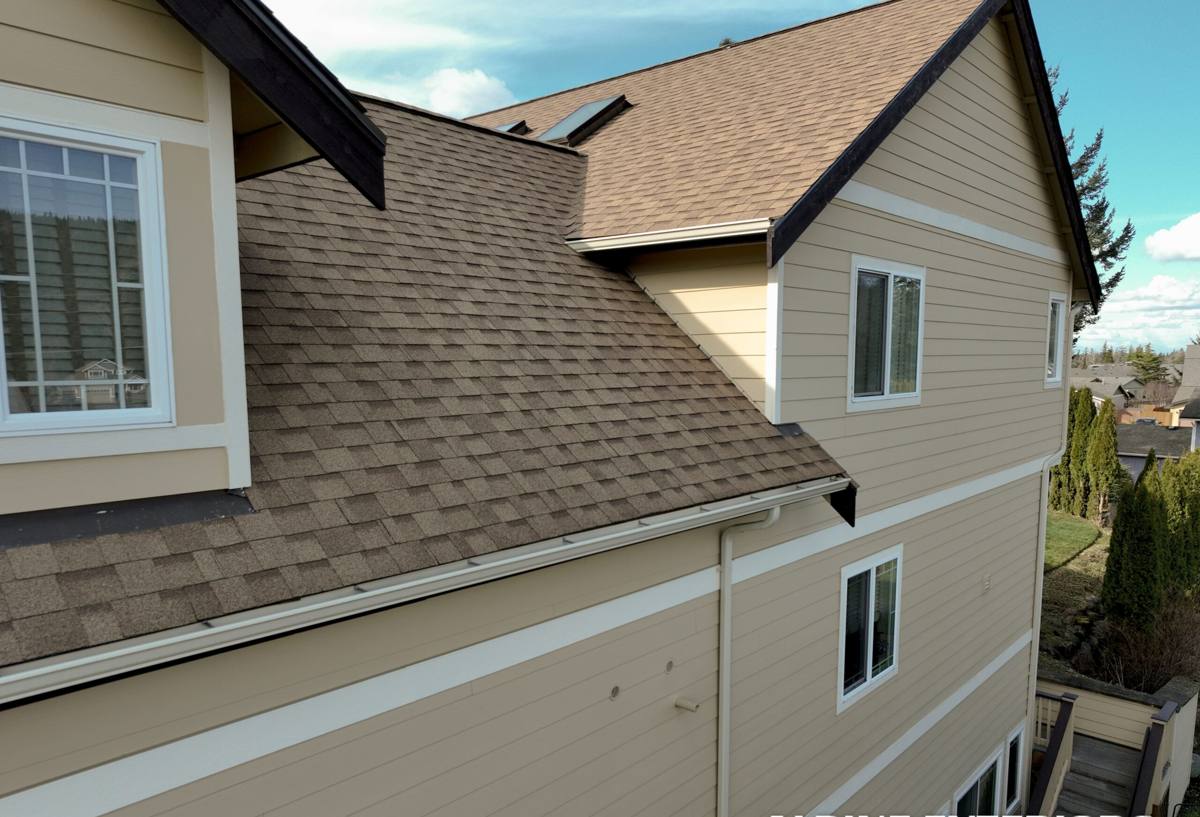
New Construction vs. Replacement: Why the Install Method Is Completely Different
A lot of homeowners assume a window is a window, and the only difference between "new construction" and "replacement" is which one costs more. In practice, they're two different trades wearing the same name.
New-construction windows
These have a nailing fin (a flange around the perimeter of the frame) that gets integrated directly into the wall's water-resistive barrier and flashing system before stucco, siding, or exterior finish goes on. The window becomes part of the wall assembly itself. Get this step wrong and the mistake gets buried behind the finish — you won't see it until there's a stain on a ceiling or a soft spot in a wall a few years down the road.
Replacement windows
These fit into an existing, already-finished opening, usually without disturbing the surrounding wall. Different technique, different tools, different failure points.
Because Rosemary District is mostly new builds and ground-up construction right now, the work we're describing on this page is almost entirely the first kind — window installation done in coordination with a builder, framer, and stucco or siding crew, at a specific point in the construction sequence.
What Sarasota's Climate Actually Demands From a New Window Opening
Sarasota County sits on the Gulf coast, and every new window opening in Rosemary District has to be built to handle four things at once, year-round:
- Hurricane-force wind loads. Florida Building Code requires windows in our wind-borne debris region to either be impact-rated or paired with approved impact protection, and the anchoring has to meet the specific wind-pressure rating engineered for the opening.
- Wind-driven rain. Tropical storms and summer squalls don't just fall on a window, they drive water sideways into it under pressure. A flashing detail that would be fine in a drier climate can leak here.
- Intense, near-constant UV. Florida sun degrades sealants, vinyl, and low-quality glazing faster than in most of the country, which shortens the useful life of anything installed with shortcuts.
- Salt air. Even a few miles inland from the bay, airborne salt accelerates corrosion on fasteners, hardware, and lower-grade aluminum components.
None of these are exotic concerns specific to a luxury build — they apply to every new window opening in this neighborhood, whether it's a modest infill home or a larger townhome project. The difference between a window that performs for decades and one that causes problems in year three usually isn't the window brand — it's whether the installation accounted for these four things from day one.
What a Correct New-Construction Window Installation Actually Involves
There's a right order of operations for setting a window during new construction, and skipping or rushing a step is how leaks and warranty disputes start. Here's the sequence we follow:
- Rough opening check. Confirm the opening is square, plumb, and sized correctly for the specified window unit before it ever gets set.
- Water-resistive barrier and sill pan. The sill of the opening gets a sloped pan or sealed flashing so any water that gets past the window drains back out, not into the wall cavity.
- Flashing sequencing. Flashing tape and the WRB are layered shingle-style — each layer overlapping the one below it — so water sheds down and out, never trapped behind the window.
- Setting the window. The unit gets shimmed level, plumb, and square in the opening, not just centered by eye. An out-of-square frame stresses the sash and can cause hardware and weatherstripping to fail early.
- Fastening to the engineered schedule. Wind-load anchoring isn't a suggestion — the fastener type, spacing, and embedment have to match what the window's product approval calls for at this wind-pressure rating.
- Sealant and finish tie-in. The perimeter gets sealed to manufacturer spec, then the exterior finish (stucco, siding, or trim) is tied into the flashing so the whole assembly sheds water as one system.
- Final check. Operation, hardware, and visible sealant lines get inspected before we call it done.
Every one of these steps matters more in a coastal, hurricane-exposed neighborhood than it would somewhere with milder weather. A sill pan that's an afterthought in a dry climate is a real leak risk here after the first wind-driven summer storm.
Choosing Frame Material and Glass for a Rosemary District Build
There's no single "best" window for every project — it depends on the building's design, budget, and how close it sits to the bay. Here's how the common frame materials stack up for coastal new construction:
| Frame Material | Salt-Air & Corrosion Resistance | Wind/Impact Performance | Typical Cost Tier | Maintenance |
|---|---|---|---|---|
| Vinyl | Good — doesn't corrode | Good when reinforced for impact ratings | Lower to mid | Low |
| Aluminum | Fair — needs quality coatings and hardware to resist salt corrosion | Very good, common in impact-rated systems | Mid | Moderate |
| Fiberglass | Excellent — very stable in heat and salt exposure | Very good | Higher | Low |
On glazing, Low-E coated impact glass is the practical standard for this area: it cuts UV-driven fading and heat gain inside the home while meeting Florida's wind-borne debris requirements in one product, instead of relying on separate storm shutters that someone has to remember to deploy before a storm.
Working Around a Live Construction Schedule
Window installation on a new build doesn't happen in isolation — it's wedged between the framer finishing rough openings and the stucco or siding crew closing everything in. In a neighborhood as actively built as Rosemary District right now, that scheduling coordination is its own skill.
We work directly with the builder or general contractor on timing: showing up when the rough openings are ready and the WRB is in place, completing flashing and window-setting before the exterior finish crew needs access, and being available for the inspections that have to happen at this stage before the wall gets closed up. Missing that window — no pun intended — either delays the whole project or forces a finish crew to work around an install that isn't ready, and neither outcome is good for the homeowner or builder.
What to Look for When Hiring a New-Construction Window Crew Here
Not every contractor who can install a replacement window in an afternoon is set up to do new-construction flashing correctly, or to work a Rosemary District build schedule. Before hiring, it's worth asking:
- Do they carry the licensing and insurance Sarasota County requires for this scope of work?
- Can they show they understand sill pan and flashing sequencing, not just "caulk it and move on"?
- Do they know the current wind-pressure and impact requirements for this part of the county, and can the windows' product approval documentation back that up?
- Have they coordinated directly with builders and GCs before, on a live framing-to-finish schedule?
- Do they offer a written warranty that covers both the window and the installation, not just the manufacturer's product warranty?
A crew that already works in this neighborhood has a real advantage here — they know the pace of the current building activity, they've coordinated with local builders and inspectors before, and they're not learning Sarasota's wind and flashing requirements on your project.
Warranty, Inspections, and Getting It Right the First Time
Because a new-construction window install gets buried behind stucco or siding once it's done, there's very little room to fix a mistake later without tearing into the finished wall. That's exactly why we treat the inspection points during the build — before closing in the wall — as non-negotiable, and why we document the install as we go. It's far cheaper and far less disruptive to catch a flashing issue at the framing stage than to discover it as a stain on a finished wall two summers later.
If you're building in Rosemary District, or coordinating windows for a client's build here, we're happy to walk the site, review the plans, and give you a straightforward, no-pressure estimate for the window package — just fill out the form below to get started.