 Sarasota Siding
 Southside Village Roofs Face a Different Kind of Wear
Southside Village is an established, tree-lined neighborhood close to downtown Sarasota, with a mix of older homes and more recently renovated properties. Whatever the age of the roof, every home in this part of Sarasota County is dealing with the same combination of stresses: hurricane-force wind events, sun that doesn't let up for most of the year, wind-driven rain that finds its way into places a straight-down rainstorm never would, and salt air that corrodes metal faster than it would further inland. Understanding what's actually happening under the shingles or tile is the first step to fixing a roof correctly instead of just patching the symptom.
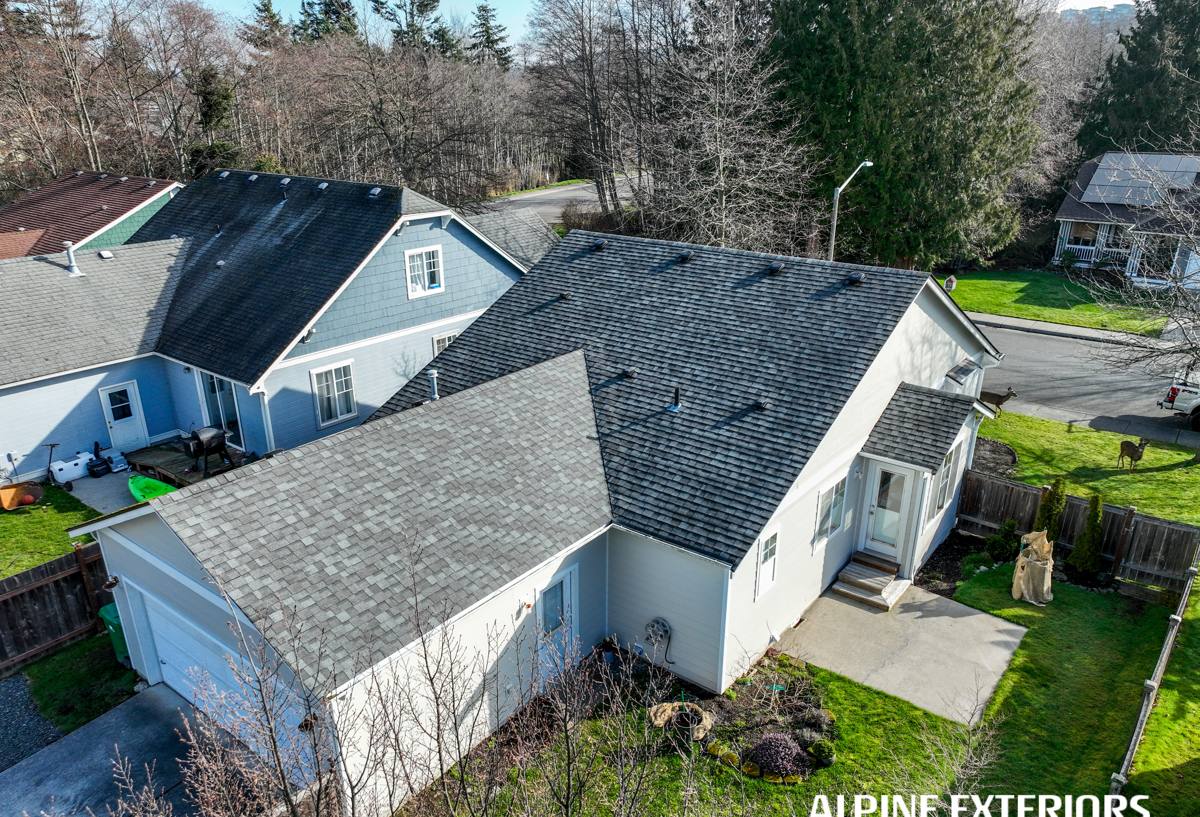
What's Actually Wearing Down Roofs in This Neighborhood
Hurricane-Force Wind and Wind-Driven Rain
Sarasota County sits squarely in the path of Gulf storm systems, and wind doesn't usually tear a roof apart all at once. More often it works flashing loose a little at a time, lifts shingle tabs just enough to break the adhesive seal, or drives rain sideways under laps and edges that were never designed to handle horizontal water. That's why a roof can look fine from the ground after a windstorm and still develop a leak weeks or even months later.
Year-Round UV Exposure
Florida sun is harder on roofing material than what most of the country deals with. UV breaks down the asphalt in shingles, dries out the rubber boots and sealants around vent penetrations, and accelerates the natural aging of underlayment. On an older roof this shows up as brittle, cracking material that no longer flexes with daily temperature swings — a common reason small leaks seem to appear out of nowhere.
Salt Air and Corrosion
Even homes set back from the water deal with salt air that corrodes exposed metal — roof vents, drip edge, nail heads, and gutter hardware — faster than it would in a drier, inland climate. Corroded fasteners and rusted-through flashing are two of the most common root causes we find behind ceiling stains that homeowners assumed were just cosmetic.
Tree Canopy and Debris
The mature tree cover that gives many Southside Village streets their character also means roofs here collect more leaf litter, pollen, and small branch debris than a roof in a newer, open subdivision. Debris that sits in valleys or piles up behind a chimney or roof-to-wall transition holds moisture against roofing material and clogs drainage paths — a slow, steady contributor to rot and leaks if it never gets cleared.
Common Repair Calls We See Around Southside Village
Because the neighborhood has a mix of roof ages and roofing types, the repair calls we get vary — but a handful of patterns show up again and again:
- Valley leaks where two roof planes meet and shed the most water during heavy rain
- Cracked or lifted flashing around chimneys, skylights, and roof-to-wall transitions
- Failed pipe boots and vent seals — a small part that's inexpensive to replace but causes real interior damage when it fails
- Wind-lifted or missing shingles, and cracked or displaced tiles after storm season
- Soffit and fascia rot from long-term moisture intrusion at the roof edge
- Ponding or slow drainage on flat or low-slope sections common on older Sarasota-area homes
What a Correct Roof Repair Actually Involves
A roof repair done right starts with figuring out where water is actually entering, not just where it's showing up inside the house — those two points are often several feet apart, since water travels along decking and rafters before it drips through a ceiling. That means getting on the roof, checking the attic where accessible, and tracing the path back to the real point of failure.
Once the cause is confirmed, the fix has to match the original roofing system. Flashing gets rebuilt with proper laps and sealant, not just caulked over. Shingles or tiles get replaced with material that matches the existing roof as closely as possible in profile and color, so the repair doesn't stand out as an obvious patch. Underlying decking that's soft or delaminated from long-term moisture gets replaced, not covered up — a shingle nailed over rotten plywood is a repair that fails again within a season or two. And any repair touching structural elements or a meaningful portion of the roof surface needs to meet current Florida Building Code wind-resistance requirements, not just the standard the roof was originally built to.
Our Roof Repair Process
- Inspection. We get on the roof (and into the attic when accessible) to find the actual source of the leak or damage, not just the visible symptom.
- Written estimate. You get a clear explanation of what's wrong, what it takes to fix it correctly, and a straightforward price before any work starts.
- Repair. We match materials to your existing roof, rebuild flashing and underlayment properly, and replace any compromised decking — not just the surface layer.
- Cleanup. Old material, nails, and debris are cleared from the roof, gutters, and yard before we consider the job finished.
- Follow-up. If anything doesn't perform the way it should after the next hard rain, we come back and make it right.
Repair or Replace? What Actually Drives That Decision
Not every roof problem calls for a full replacement, and not every leak can be permanently solved with a patch. The honest answer usually comes down to the roof's age, how widespread the damage is, and what's happening underneath the surface material.
| Factor | Repair Usually Makes Sense | Replacement Usually Makes Sense |
|---|---|---|
| Roof age | Well within its expected service life | At or past the material's typical lifespan |
| Extent of damage | Localized — one valley, one flashing point, a few shingles or tiles | Widespread across multiple roof sections |
| Decking condition | Solid, no rot or delamination found | Soft, stained, or rotted decking in multiple areas |
| Leak history | First occurrence or isolated incident | Repeated leaks in different spots over time |
| Insurance/financing goals | Addressing a specific storm claim item | Pursuing a wind mitigation credit or full storm claim replacement |
We'll always tell you honestly which category your roof falls into. There's no benefit to us in talking a homeowner into a full replacement when a proper repair will genuinely hold up.
After a Storm: Emergency Repairs and Tarping
When a storm rolls through Sarasota County and takes shingles, tiles, or flashing with it, the priority is stopping active water intrusion before it turns into interior damage, mold, or a bigger structural problem. That usually means a temporary tarp or dry-in over the damaged section, done securely enough to hold through the next round of weather, followed by a permanent repair once materials are sourced and conditions allow safe work on the roof.
If you're planning to file an insurance claim, document the damage with photos before any temporary repair covers it up, and keep a copy of any invoice or estimate for the temporary work — insurers generally expect to see reasonable efforts made to prevent further damage, and having that documentation makes the claims process smoother.
Permits, Codes, and Insurance Considerations in Sarasota County
Roofing repair work in Sarasota County is regulated, and depending on the scope of the job, a permit may be required — this typically applies more to larger repairs or anything involving structural decking than to small, localized flashing or shingle fixes. Any work that does require a permit should be inspected and closed out properly; skipping that step can create problems later when you sell the home or file an insurance claim.
If your home has a wind mitigation inspection on file, it's worth knowing that certain roofing features — the type of roof covering, how the roof deck is attached, and the presence of a secondary water barrier — factor into your windstorm insurance premium. A repair is a good opportunity to confirm those elements are still in good condition, even if a full inspection isn't part of the immediate job.
Why Hiring a Crew That Already Works This Neighborhood Matters
Southside Village has a mix of roofing types and home ages, which means the right fix for one roof isn't automatically the right fix for the one next door. A crew that regularly works this area has a feel for which roofing systems are common here, how local tree canopy and drainage patterns tend to affect specific roof designs, and what it takes to match materials on a roof that's a few decades old versus one that's been recently redone. That familiarity shows up in fewer surprises once the work starts and repairs that blend in rather than stand out.
It also matters after a storm, when demand for roofing work spikes and out-of-town crews move through the area chasing damage. A local, established contractor has a reputation in the neighborhood to protect and is still around months later if a repair needs a follow-up visit — which matters far more than a low bid from someone who won't be answering the phone in the off-season.
Signs Your Southside Village Roof Needs Attention
- Water stains or discoloration on interior ceilings, especially after heavy rain
- Visible cracked, curling, or missing shingles, or cracked and slipped tiles
- Granules from asphalt shingles collecting in gutters or at downspout outlets
- Daylight visible through the roof deck when viewed from inside the attic
- Soft or spongy spots when walking the roof, or sagging along the roofline
- Rust streaks or corrosion around vents, flashing, or metal roof edges
- A musty smell in upper rooms or closets that could indicate hidden moisture
If you're seeing any of these signs — or you just want a second opinion after a storm — we're happy to take a look and give you a straight answer about what your roof actually needs. Reach out for a free, no-pressure estimate using the form below.