 Sarasota Siding
 A deck in University Park works hard for its living. Between the intense Gulf Coast sun, salt-laden air drifting in off the coast, wind-driven rain during summer storms, and the occasional hurricane-force gust, outdoor structures in this part of Sarasota County age faster than most homeowners expect. A deck that would last decades in a drier, cooler climate can develop real structural problems here in half that time if it isn't built and maintained with this environment in mind. This page covers what deck repair actually involves for University Park homes, what we look for, and how we approach the job so it holds up.
Why University Park Decks Take a Beating
University Park sits in a stretch of Florida where the climate doesn't give outdoor structures much of a break. A handful of factors compound on each other over time:
- UV exposure: Year-round sun breaks down wood fibers, dries out natural oils, and fades or chalks composite and PVC decking surfaces.
- Wind-driven rain: Afternoon storms don't just fall straight down here — wind pushes moisture sideways and up under boards, into fastener holes, and behind ledger connections where it can sit and cause hidden rot.
- Salt air: Even well inland from the immediate coastline, airborne salt accelerates corrosion on any fastener, bracket, or connector that isn't rated for it.
- Hurricane-force wind loads: Storm season puts real lateral and uplift stress on railings, ledger attachments, and post connections — the parts of a deck most likely to fail quietly, without visible warning.
- Humidity and heat cycling: Constant swings between soaked and bone-dry conditions cause wood to swell, shrink, cup, and crack faster than in drier climates.
None of this means a deck is a bad investment in University Park — it means the repair and maintenance approach has to account for these conditions instead of ignoring them.
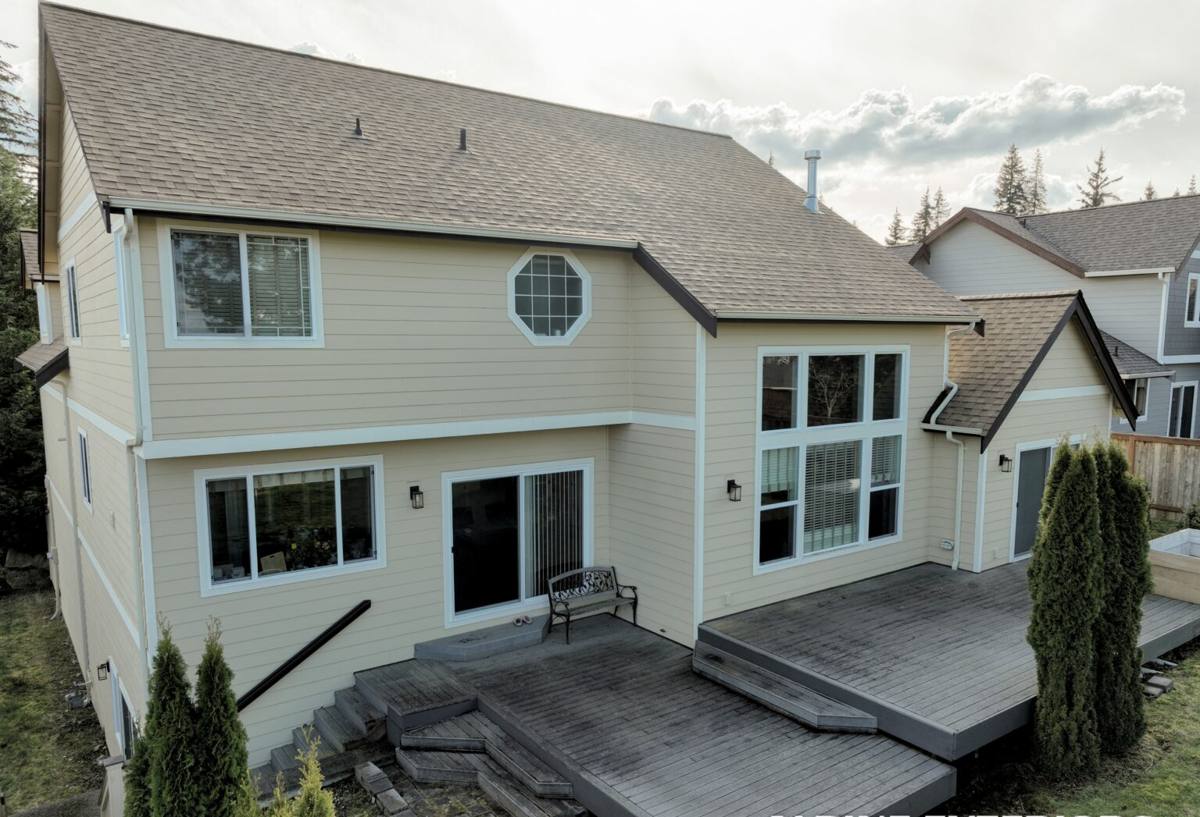
Common Deck Problems We See in This Community
Most of the repair calls we get in University Park fall into a short list of recurring issues:
Structural and Hidden Damage
The most serious problems are usually the ones you can't see from the top of the deck. Ledger board attachment to the house is a frequent trouble spot — if flashing was installed poorly or has failed, water tracks behind the ledger and rots the rim joist or sheathing behind it. Joists and support posts near ground contact or under shaded, poorly ventilated sections of decking are also prone to rot, especially if the original build didn't allow for airflow underneath.
Fastener and Hardware Corrosion
Nails, screws, and structural connectors that aren't rated for coastal exposure corrode from the inside out. You'll often see rust staining around fastener heads well before the fastener itself has weakened enough to fail — that staining is worth taking seriously, not just cleaning off.
Surface-Level Wear
Cupping, splintering, graying, and checking (surface cracking) on wood decking; chalking, fading, and occasional staining on composite or PVC boards. These are cosmetic on their own, but they're also early indicators of moisture getting into places it shouldn't.
Railing and Stair Issues
Loose railings and wobbly stair stringers are common, and they're a safety issue as much as a structural one. Railings take direct wind load during storms, and a connection that's been slowly loosening for years can give way under sudden stress.
What a Correct Deck Repair Actually Involves
A repair that only addresses the visible symptom — replacing a cracked board, tightening a loose railing baluster — without checking what's underneath is a repair that will likely need to be redone. A correct repair starts with an honest structural assessment.
Structural vs. Cosmetic Repairs
We separate every repair into two categories before quoting anything:
- Structural: ledger board and flashing, joists, beams, posts, footings, railing post connections, stair stringers — anything load-bearing.
- Cosmetic: individual board replacement, surface refinishing, railing infill, fascia boards — anything that affects appearance and comfort but not load capacity.
Cosmetic issues can sometimes wait a season. Structural issues shouldn't, especially heading into storm season, because a compromised ledger or post connection is exactly what fails under hurricane-force wind loads.
Permits and Code Considerations
Depending on the scope of the repair, work on structural elements — ledger reattachment, footing replacement, railing height or spacing changes — may fall under Sarasota County permitting requirements and the Florida Building Code's wind provisions. Cosmetic board swaps generally don't trigger a permit; structural rebuilds usually do. We'll tell you plainly which category your repair falls into before work starts, not after.
Repair vs. Replacement: How We Help You Decide
Not every deck problem calls for a full rebuild, and not every deck is worth patching indefinitely. The honest answer depends on a few factors:
| Factor | Leans Toward Repair | Leans Toward Replacement |
|---|---|---|
| Age of deck | Under 12-15 years | Original structure is older, especially if untreated lumber was used |
| Extent of rot/corrosion | Isolated to a few boards or fasteners | Found at multiple structural points (ledger, joists, posts) |
| Ledger condition | Flashing intact, attachment solid | Flashing failed or missing, moisture damage behind ledger |
| Footings/posts | Solid, no movement or cracking | Settling, cracking, or undersized for current code |
| Original build quality | Built to code with treated materials | Signs of shortcuts — undersized joists, missing hardware, poor spacing |
We'll walk the structure with you, point out exactly what we find, and give you a straight recommendation — not the most expensive option by default.
Materials and Hardware: Why the Details Matter Here
In a coastal Florida climate, the materials spec on a deck repair matters as much as the workmanship. Our standard for University Park repairs:
- Fasteners and connectors: stainless steel or coated fasteners rated for coastal/high-corrosion exposure — not the standard hardware that works fine inland but corrodes quickly here.
- Ledger flashing: proper metal flashing and moisture barrier at the house connection, sealed correctly rather than caulked over as a shortcut.
- Structural lumber: pressure-treated lumber rated for ground contact where required, sized to current code even if the original framing was undersized.
- Decking surface: your choice of quality wood or composite/PVC boards — we'll walk you through the maintenance burden and moisture behavior of each honestly rather than pushing whichever is easiest for us to install.
On the surface material question specifically: wood costs less upfront and can be refinished, but it needs regular sealing and inspection in this climate to hold up. Composite and PVC cost more initially and don't need staining, but they still require correct ventilation underneath and proper fastening — a composite board over a rotted joist is still a failure waiting to happen. We'll give you our honest read on which fits your deck, your budget, and how much upkeep you want to take on.
Our Deck Repair Process
- On-site assessment: We inspect the full structure — top surface, framing underneath, ledger connection, posts, and footings — not just the area you called about.
- Written scope and pricing: You get a clear breakdown of what's structural, what's cosmetic, and what each part costs, before we touch anything.
- Permit handling: If the scope requires a Sarasota County permit, we pull it and schedule inspections as part of the job — not left for you to sort out.
- Repair work: Structural repairs first, then surface and cosmetic work, using materials and fasteners suited to coastal exposure.
- Final walkthrough: We go over the finished repair with you and flag anything worth watching or maintaining going forward.
Maintenance Checklist for University Park Homeowners
A little regular attention catches problems while they're still cheap to fix. Between our visits, it's worth checking these yourself once or twice a year, and definitely before and after hurricane season:
- Look for soft, spongy, or discolored spots on decking boards, especially near the house connection.
- Check railings and stair posts for any wobble or give when you push on them.
- Look underneath the deck for rust streaking around fasteners or brackets.
- Check that the ledger flashing at the house is still sealed and hasn't cracked or pulled away.
- Make sure vegetation and debris aren't trapping moisture against the framing underneath.
- Reseal or refinish wood decking on a regular schedule rather than waiting until it looks worn.
- After any major storm, do a quick visual check for loosened boards, railings, or hardware before using the deck.
Why Hire a Crew That Already Works in University Park
Deck repair standards that make sense in a dry, inland climate don't hold up on Florida's Gulf Coast, and a crew that hasn't worked in coastal Sarasota County conditions can miss that. We already know which fasteners corrode too fast out here, which flashing details actually keep water out during wind-driven rain, and what a deck needs to survive hurricane season rather than just look finished on handoff day. Working regularly in University Park also means we're familiar with the kind of lot layouts, drainage patterns, and HOA expectations common to the community, so repairs get done without unnecessary back-and-forth or surprises about what's allowed.
A deck repair done right the first time, with the right materials and attention to the structural details you can't see, saves you from paying for the same problem twice. If you're noticing soft boards, loose railings, rust staining, or you just want an honest assessment of where your deck stands, we're happy to take a look. Fill out the form below for a free, no-pressure estimate.