 Sarasota Siding
 Siding Replacement Built for University Park's Climate
University Park sits in the Sarasota area, where homes deal with a combination of stressors that few other parts of the country see all at once: hurricane-force wind events, intense year-round UV exposure, wind-driven rain that gets forced sideways into wall assemblies, and a steady dose of salt-laden air moving inland off the Gulf. Individually, any one of these would shorten the life of a siding system. Together, they compound each other, and that's exactly what happens on homes across Sarasota County over a normal Florida life cycle.
For a mature, well-landscaped community like University Park, that means siding decisions aren't cosmetic — they're structural and financial. The right product, installed correctly, protects the wall assembly underneath for decades. The wrong product, or a rushed install, invites moisture intrusion that you often don't see until the damage is already behind the wall.
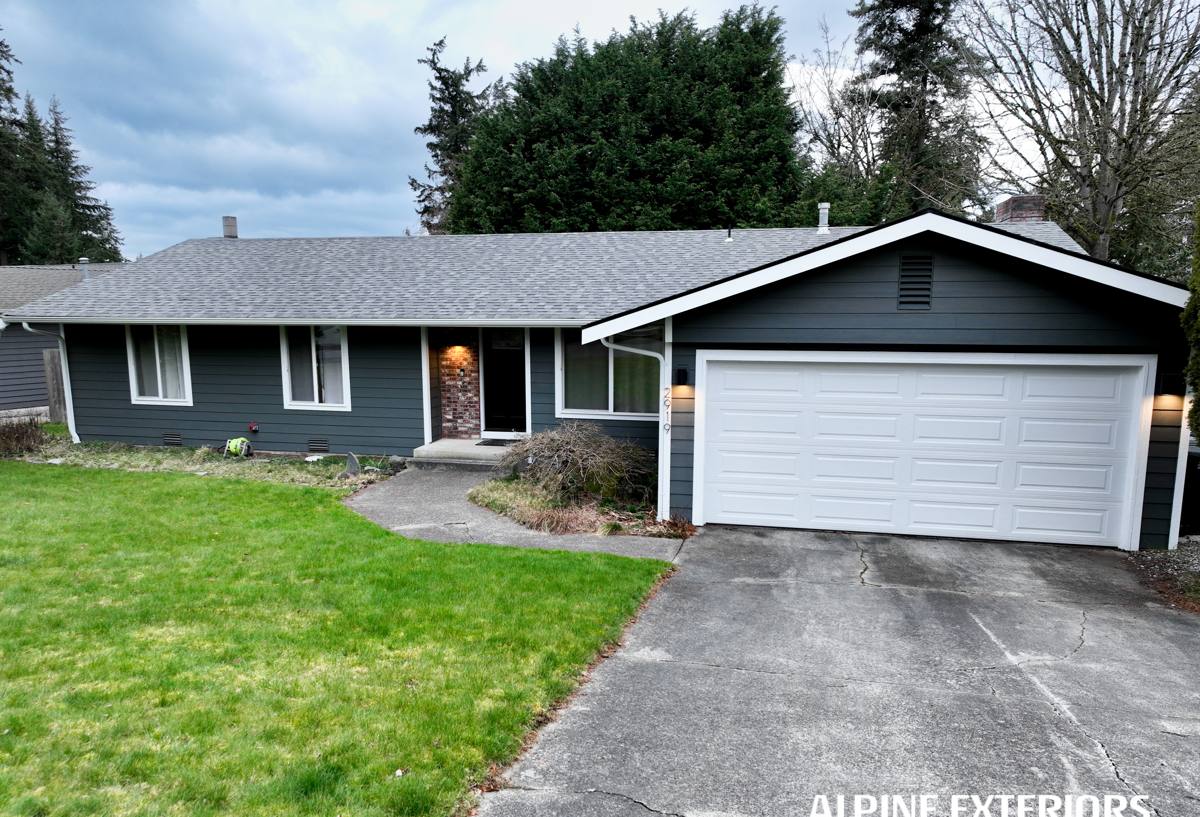
Why This Isn't a Generic Siding Job
A siding replacement in University Park isn't the same job as one in a dry inland climate, and it isn't identical to a coastal barrier-island install either. University Park homes typically sit inland enough to avoid direct storm surge, but close enough to the Gulf that salt air still reaches painted and metal surfaces, accelerating corrosion of fasteners and fading of lower-quality finishes. Mature tree canopy and landscaping common in established communities like this one also mean more shade, more humidity retention around exterior walls, and more organic debris resting against siding after storms — all of which affect how a wall assembly dries out after wet weather.
That combination — heat, humidity, wind load, and salt exposure — is precisely why we treat siding replacement here as a system decision, not a materials pick.
What Local Homes Are Up Against
- Wind load: Sarasota County building code requires siding systems rated for high-velocity wind zones, and fastening patterns matter as much as the product itself.
- UV degradation: Florida's sun fades and chalks lower-grade paint finishes years faster than in northern climates.
- Wind-driven rain: Storms don't just drop rain — they push it horizontally into seams, laps, and penetrations.
- Salt air corrosion: Even inland communities see accelerated corrosion of fasteners, trim, and lower-quality coatings.
- Humidity cycling: Constant wet-dry cycles stress any siding material that absorbs moisture or isn't dimensionally stable.
Signs a University Park Home Needs Siding Replacement
Siding failure in this climate is rarely sudden. It shows up gradually, and homeowners often don't connect the early signs to a larger problem until repairs get expensive.
What to Look For
- Soft or spongy spots when you press on the siding, especially near the bottom courses or around windows and doors
- Visible warping, buckling, or panels pulling away from the wall
- Paint that's peeling, bubbling, or chalking heavily to the touch
- Cracks or gaps at seams, corners, and trim joints
- Rising utility bills, which can signal moisture-compromised insulation behind the siding
- Visible mold, mildew, or staining that keeps returning after cleaning
- Rot or discoloration around window and door casings
Any one of these on its own might be a minor repair. Several together usually mean the underlying wall assembly has been absorbing moisture for a while, and patch repairs will only buy limited time.
Why We Only Install James Hardie Fiber Cement Siding
We made a deliberate decision as a company to install James Hardie fiber cement exclusively — not vinyl, not LP SmartSide, not primed wood, not other fiber cement brands. In a climate like Sarasota County's, that decision comes down to how each material actually performs over years of heat, humidity, and storm exposure, not just how it looks on installation day.
Fiber cement is non-combustible, doesn't expand and contract with heat the way vinyl does, and doesn't rely on an organic wood substrate that can absorb moisture and support rot the way engineered wood products can. James Hardie's HZ5 product line is specifically engineered for hot, humid climates like ours, and the factory-applied ColorPlus finish is baked on under controlled conditions — which holds up to Florida UV far better than field-applied paint. The company also backs its products with a long, transferable limited warranty, which matters if you ever sell the home.
We're not the only siding contractor in the Sarasota area, and other products have legitimate uses elsewhere. But when we evaluated what actually survives a University Park summer, hurricane season, and salt air exposure decade after decade, Hardie fiber cement was the clear standard we chose to build our business around.
What a Correct Siding Replacement Actually Involves
The siding product is only part of the equation. Most siding failures we see in this region trace back to installation shortcuts, not the material itself. A correct replacement addresses the whole wall system, not just the visible surface.
The Steps That Matter
- Full tear-off and substrate inspection: Old siding comes off completely so we can inspect sheathing for rot, soft spots, or prior water damage before anything new goes up.
- Repair before cover-up: Any compromised sheathing or framing gets repaired. Covering damaged wood with new siding just hides a problem that keeps growing.
- Weather-resistive barrier: A properly lapped moisture barrier goes over the sheathing to manage the wind-driven rain this region sees regularly.
- Flashing at every penetration: Windows, doors, vents, and utility penetrations get flashed correctly — this is where the majority of hidden leaks originate.
- Manufacturer-spec fastening: James Hardie publishes specific fastener types, spacing, and placement requirements for high-wind zones. Following them isn't optional if you want the wind and warranty ratings to actually apply.
- Correct clearances: Proper gaps at grade, roofline, and trim keep moisture from wicking into the bottom edge of panels.
- Caulking and sealant at seams: Done with the right products and joint design, not just filled and painted over.
Skip any one of these steps and you can end up with a wall that looks finished but fails from the inside out within a few years.
Our Process, Start to Finish
We keep the process straightforward because homeowners deserve to know what's happening to their house and why.
How It Works
- Free on-site estimate: We walk the exterior with you, look at existing siding condition, and answer questions before any commitment.
- Written scope and pricing: You get a clear breakdown of materials, labor, and what's included — no vague allowances.
- Scheduling around weather: Florida's rain patterns mean we plan tear-off and dry-in carefully so your home isn't left exposed longer than necessary.
- Daily site cleanup: Debris and old material get cleared as we go, not left piled up for the whole project.
- Final walkthrough: We review the finished work with you directly before calling the job complete.
Working Within a Planned Community
Established communities like University Park often have architectural guidelines or an HOA review process for exterior changes, including siding color and style. That's normal for a community with this level of upkeep, and it's something we plan for rather than treat as an obstacle. We can help prepare the documentation homeowners typically need to submit for approval, and James Hardie's ColorPlus lineup offers a wide enough range of finishes to work within most community aesthetic standards while still giving you a product built for the local climate.
Cost Factors for Siding Replacement
Every home is different, so we don't quote pricing without seeing the property, but these are the factors that most affect the final number.
| Factor | Why It Affects Cost |
|---|---|
| Home size and wall complexity | More square footage and more corners, gables, and trim details mean more material and labor |
| Extent of substrate repair | Hidden rot or water damage found during tear-off adds repair scope before new siding goes on |
| Siding profile and finish | Lap width, texture, and color selection within the Hardie lineup carry different material costs |
| Trim and accent work | Window casings, corner boards, and accent details add labor time |
| Access and site conditions | Mature landscaping, fencing, or tight lot lines can affect equipment access and staging |
| Removal and disposal | Full tear-off of old siding adds a disposal cost that varies by material and volume |
Why a Crew That Already Works in University Park Matters
Siding performance here isn't theoretical — it's tested by real hurricane seasons, real UV exposure, and real salt air, year after year. A contractor who works regularly in the Sarasota area understands the wind-load requirements, knows how local humidity affects installation timing and material handling, and has already seen what happens when shortcuts get taken on other homes in this climate. That experience shows up in the details: correct flashing, correct fastening, correct sequencing around Florida's rain patterns — the things that determine whether siding lasts 10 years or 40.
It also means faster, more accurate estimates, since we're not guessing at code requirements or climate exposure for an area we don't know. We're already familiar with the conditions University Park homes face, and we build every quote around that reality.
If your siding is showing signs of wear, or you're simply planning ahead, we're happy to take a look and give you an honest read on where your home stands. Reach out for a free, no-pressure estimate — there's no obligation, just a straight assessment of what your home actually needs.