 Sarasota Siding
 Asphalt Shingle Roofing Built for Venice's Coastal Climate
Venice sits close enough to the Gulf that salt-laden air, near-constant UV exposure, and wind-driven rain are just part of owning a home here. An asphalt shingle roof is one of the most cost-effective ways to protect a house in this environment, but only if it's specified and installed correctly for coastal Sarasota County conditions. A shingle roof built for a landlocked climate and one built for Venice look similar from the street, but the materials, fasteners, and underlayment underneath can be very different.
We install and replace asphalt shingle roofs on Venice homes as part of our regular service area, not as an occasional add-on. That means we already know what the local building department expects, how the sun and salt air treat different shingle products over time, and where roofs in this area tend to fail first.
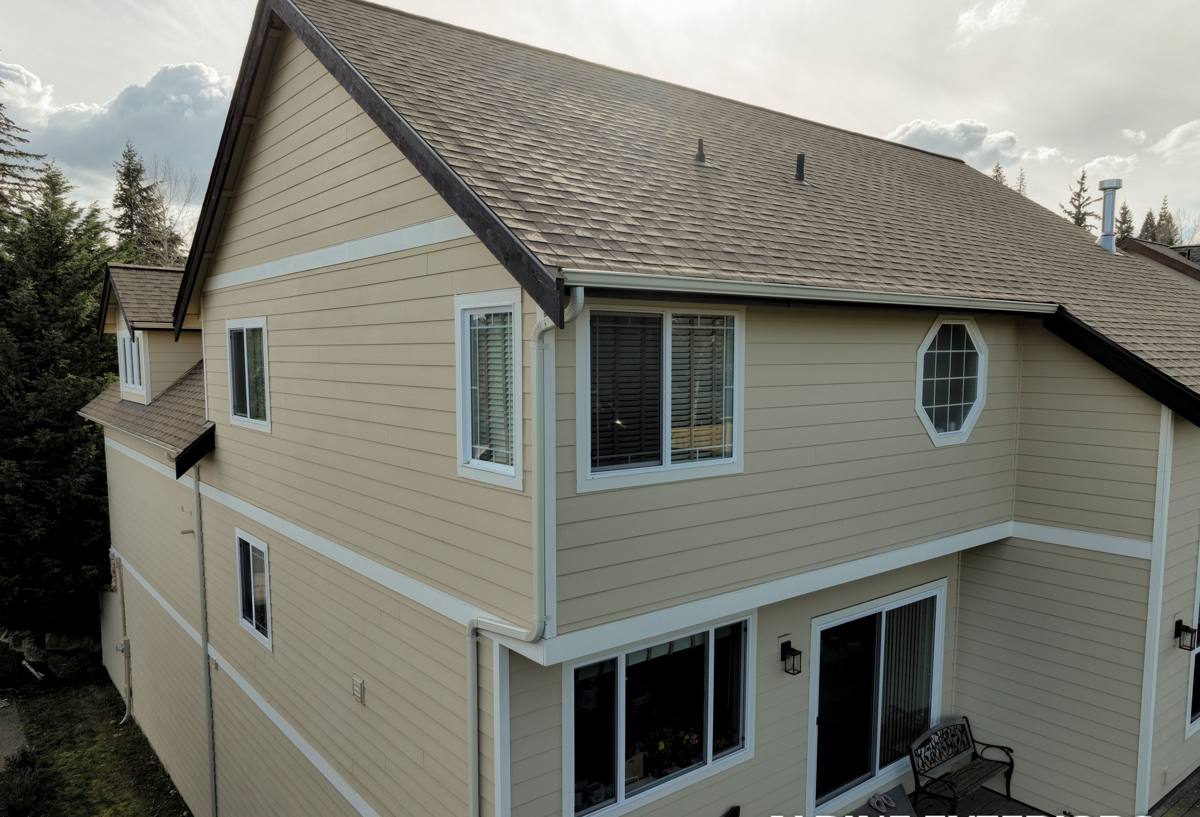
What Venice's Climate Actually Does to a Shingle Roof
A few local factors drive almost every roofing problem we see in this part of Sarasota County:
- Wind: Venice is exposed to tropical storm and hurricane-force gusts most years, and shingles are only as good as the wind rating they're installed to and the nailing pattern used underneath them.
- UV load: Florida gets more direct sun hours per year than most of the country, and constant UV exposure breaks down asphalt oils faster, which is why shingle life expectancy here often runs shorter than the manufacturer's climate-neutral estimate.
- Wind-driven rain: Storms in this area rarely come straight down. Rain gets pushed sideways under shingle tabs and around flashing, which is why underlayment and flashing detail matter as much as the shingles themselves.
- Salt air: Airborne salt accelerates corrosion on exposed metal — nails, flashing, vent stacks — long before the shingles themselves wear out, especially the closer a home sits to open water.
None of this means asphalt shingles are a poor choice for Venice. It means the installation details that get ignored in milder climates are the details that actually determine whether a roof performs here.
What a Correct Asphalt Shingle Installation Involves
Deck Inspection First
Shingles are only as good as the roof deck underneath them. Before any new roof goes on, we check the decking for soft spots, delamination, and prior water damage. Replacing bad deck sections before shingles go down is standard practice, not an upsell — nailing a new roof over a compromised deck sets up problems that show up later as leaks or blow-offs.
Underlayment
Given how much wind-driven rain this area gets, we use a synthetic or self-adhered underlayment system suited to the roof's slope and exposure, not just whatever ships as the cheapest option. Underlayment is the roof's backup layer — it's what protects the deck if wind ever lifts or damages shingles during a storm.
Nailing Pattern and Fastening
Shingle wind performance depends on the number and placement of nails per shingle, not just the product's printed wind rating. High-wind installations typically call for six nails per shingle instead of four, placed in the manufacturer's specified nailing zone. This is one of the most common shortcuts we see on older or poorly done roofs, and it's often the actual reason a roof lost shingles in a storm that a properly fastened roof would have handled.
Flashing and Transitions
Valleys, roof-to-wall transitions, chimneys, and vent penetrations are where the overwhelming majority of roof leaks start — not the open field of shingles. Correctly formed and sealed flashing at these points matters more to long-term performance than the shingle brand chosen.
Ventilation
A shingle roof needs balanced intake and exhaust ventilation to let heat and moisture escape the attic. Poor ventilation shortens shingle life from the underside by baking the shingles from attic heat and can also contribute to moisture problems that have nothing to do with the roof surface itself.
Shingle Options and How They Compare for This Area
Homeowners usually choose between a few broad categories of asphalt shingle. We'll walk through the tradeoffs honestly rather than pushing one option — the right choice depends on budget, how long you plan to stay in the home, and how much wind and impact resistance you want built in.
| Shingle Type | Typical Wind Rating | Relative Cost | Best Fit |
|---|---|---|---|
| 3-Tab | Lower (often 60-70 mph rated) | $ | Budget-focused projects on lower-exposure roof areas |
| Architectural / Laminate | Moderate-High (110-130 mph rated, product dependent) | $$ | Most Venice homes — the common standard today |
| Impact-Rated Architectural | High wind rating plus Class 4 impact rating | $$$ | Homes prioritizing storm resilience and possible insurance credits |
We install architectural shingles on the large majority of the roofs we do in this area because they offer meaningfully better wind performance and a heavier, more durable mat than 3-tab shingles, without jumping to premium impact-rated pricing. Impact-rated shingles are worth discussing for homeowners who want the added storm protection or who are trying to qualify for specific insurance credits — we'll go over that tradeoff honestly rather than assume it's right for every roof.
Repair or Full Replacement?
Not every roof problem in Venice means a full tear-off. We inspect first and give a straight answer about which category the roof actually falls into.
| Signs Repair May Be Enough | Signs Full Replacement Is Warranted |
|---|---|
| Isolated missing or lifted shingles after a storm | Granule loss and bald spots across large sections |
| A single flashing or vent leak | Multiple past leak points and soft or stained decking |
| Roof is under half its expected service life | Roof is near or past its expected service life for this climate |
| Shingles remain flat and well-adhered elsewhere | Curling, cupping, or cracked shingles across the roof field |
A repair only makes sense when the rest of the roof still has real life left in it. Patching a roof that's already at the end of its service life usually just delays a bigger expense and risks a mismatched patch that fails at the seam.
Our Process
- Inspection and honest assessment — we walk the roof, check the attic and decking where accessible, and document actual condition rather than assuming replacement is needed.
- Written scope and estimate — you'll know the shingle product, underlayment system, flashing plan, and ventilation approach before work starts, not after.
- Permitting — roofing work in Sarasota County requires a permit and inspection; we handle that process as part of the job.
- Tear-off and deck check — old roofing comes off, the deck gets inspected, and any damaged sections are replaced.
- Underlayment, flashing, and shingle installation — installed to the fastening and detailing standards this climate calls for, not the minimum code allows.
- Cleanup and final walkthrough — magnetic sweep for nails, debris removal, and a final review of the finished roof with you.
Maintenance That Extends a Shingle Roof's Life in Venice
Asphalt shingles are low-maintenance compared to some roofing materials, but "low-maintenance" doesn't mean "no maintenance," especially with the UV and salt exposure common here.
- Have the roof visually inspected after any major storm, even if there's no visible leak yet
- Keep gutters and valleys clear so water isn't pooling or backing up under shingle edges
- Trim back overhanging branches that drop debris or hold moisture against the roof surface
- Watch for granule buildup in gutters, which signals shingle wear
- Address small flashing or sealant issues promptly rather than waiting for a leak to show up inside
- Schedule a professional inspection every couple of years, not just when a problem appears
Why Local Experience in Venice and Sarasota County Matters
Roofing codes and wind-load requirements in coastal Sarasota County aren't identical to inland Florida, and they're stricter than a lot of the country. A crew that regularly works in Venice already knows the permitting process, the inspection expectations, and which installation details actually hold up against the wind and salt air this specific stretch of coastline sees every year. That local familiarity shows up in fewer surprises during permitting and a roof that's detailed correctly the first time, rather than one built to a generic national standard and hoped to hold.
If you're weighing a shingle repair, a full replacement, or just want a straight answer on what condition your roof is really in, we're happy to come out and take a look. The estimate is free, there's no pressure attached to it, and you'll get a clear explanation of what we find — use the form below to get started.