 Sarasota Siding
 Why Downtown Sarasota Roofs Wear Out Differently
Downtown Sarasota sits close enough to the bay and the Gulf that salt-laden air is a daily fact of life for every roof in the area, not just the ones with a water view. Add in Sarasota County's long stretch of intense subtropical sun, near-daily summer thunderstorms, and the real chance of a hurricane-force wind event most seasons, and you get a climate that ages roofing material faster than almost anywhere else in the country. A roof that might last 25 years in a milder climate can show serious wear in 15 to 18 years here if it wasn't installed with this exposure in mind.
Downtown's mix of older bungalows, mid-century homes, and newer infill construction means we see a wide range of existing roof conditions — some original decking from decades ago, some newer plywood that was never properly ventilated, some roofs that were re-covered over old shingles instead of torn off correctly. A new roof installation here isn't just about picking a shingle color. It's about correcting whatever the last roof got wrong and building one that's actually matched to what this neighborhood's weather does to a house year after year.
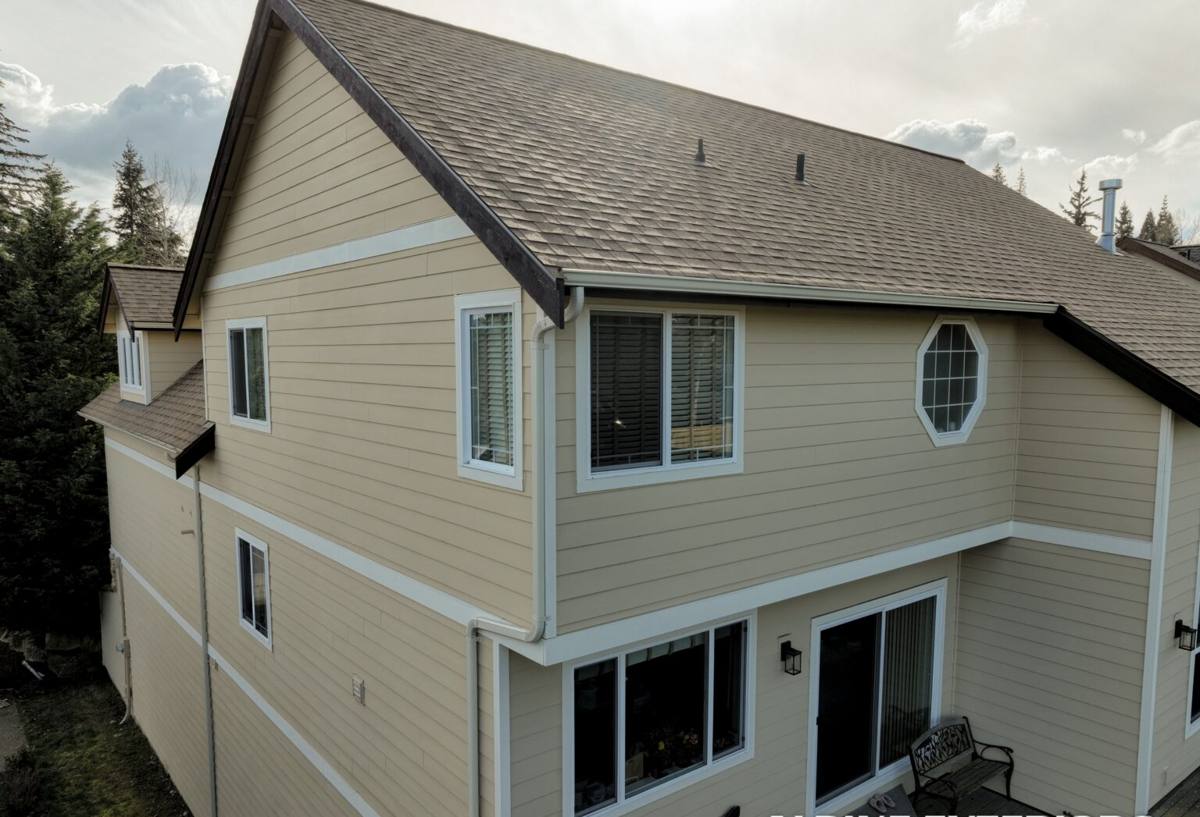
What Downtown Sarasota's Climate Actually Demands From a New Roof
Wind Uplift
Sarasota County falls within Florida's High-Velocity Hurricane Zone influence area, and local building code reflects that. A new roof installed here needs wind-rated materials, the correct nailing pattern (not just the minimum staple count a crew can get away with), and properly sealed edges and ridges. Wind doesn't usually tear a roof off in the middle of the field — it starts at an edge, a ridge cap, or a poorly sealed flashing detail and works its way in from there.
UV and Heat
Downtown roofs bake under direct Florida sun for most of the year. UV breaks down asphalt oils, causes granule loss on shingles, and accelerates the aging of underlayment that isn't rated for high heat. Attic temperatures on an unventilated Sarasota roof can climb well past what the shingle manufacturer tested the product for, which is one of the fastest ways to void a warranty without the homeowner ever knowing it happened.
Wind-Driven Rain
Florida storms rarely drop rain straight down. Wind pushes it sideways and up under laps, vents, and flashings. A roof system built for this has to rely on more than just the top layer of shingle or tile — the underlayment, flashing details, and valley construction all have to work together, because wind-driven rain will find any gap that gravity alone wouldn't reach.
Salt Air
Being close to Sarasota Bay means metal components — flashing, fasteners, vents, drip edge — corrode faster than they would inland. Choosing the wrong metal or fastener grade for a coastal-adjacent property is a slow, quiet way to shorten a roof's life even if the shingles or tiles themselves are holding up fine.
Signs a Downtown Sarasota Roof Needs Full Replacement, Not a Patch
- Granule loss heavy enough that you're finding grit in gutters or at downspout outlets regularly
- Shingles that are cupping, curling, or cracking across multiple areas of the roof, not just one isolated spot
- Soft spots or sagging when walked, which usually means the decking underneath has taken on moisture damage
- Daylight visible through the roof deck from inside the attic
- Repeated leaks in different locations after storms, rather than one consistent trouble spot
- A roof that's already had one or more "layovers" (new shingles installed over old) and is now due again
- Visible rust or deterioration at flashing, vents, or valleys
- A roof approaching or past 18-20 years old, especially if the original installation predates current wind code
If only one or two of these apply and they're localized, a repair may genuinely be the right call — we'll tell you that honestly rather than pushing a full replacement that isn't needed yet.
What a Correct New Roof Installation Involves
Full Tear-Off
We remove the existing roofing material down to the deck rather than installing over an old layer. A layover hides the condition of the decking, traps moisture between layers, and can violate both code and manufacturer warranty terms. It's a shortcut that costs the homeowner more down the road.
Deck Inspection and Repair
Once the deck is exposed, we check for soft spots, delamination, and water staining, and replace any damaged sections before anything new goes down. Installing a new roof over compromised decking is one of the most common reasons a roof underperforms its expected lifespan.
Underlayment
Given the wind-driven rain this area sees, we use underlayment rated for the exposure rather than the bare code minimum. This layer is what protects the home if wind ever lifts or damages the outer roofing material during a storm.
Flashing and Edge Details
Valleys, chimneys, skylights, and roof-to-wall transitions are where most leaks actually originate — not the open field of the roof. Correct flashing work here is slower and more detail-oriented than it looks, and it's the difference between a roof that sheds wind-driven rain and one that doesn't.
Ventilation
Proper intake and exhaust ventilation keeps attic temperatures down, which protects both the new roofing material and the home's energy efficiency. Many older Downtown Sarasota homes have inadequate or blocked ventilation that should be corrected during a full replacement, not left as-is.
Fastening and Wind Compliance
We install to the nailing pattern and fastening schedule required for Sarasota County's wind zone, which is often more rigorous than what a national average install would use elsewhere in the country.
Roofing Material Options for Downtown Sarasota Homes
| Material | Typical Lifespan Here | Coastal/Wind Considerations |
|---|---|---|
| Architectural asphalt shingle | 15-22 years | Good value; needs high wind-rated product and correct nailing to hold up to gusts |
| Metal (standing seam or coated panel) | 30-50 years | Excellent wind and UV performance; fastener and coating quality matter more near the bay |
| Concrete or clay tile | 30-50 years | Heavy and durable but individual tiles can crack or dislodge in high wind if not properly fastened |
| Flat/low-slope membrane (for additions, porches) | 15-25 years | Common on Florida bungalow additions; seam quality is critical in wind-driven rain |
There's no single "best" material for every Downtown Sarasota home — it depends on the roof's slope, the home's structure and style, HOA or historic guidelines in some pockets of the neighborhood, and budget. We'll walk through the honest trade-offs for your specific roof rather than steering everyone toward the same product.
How Our Process Works
- On-site inspection. We walk the roof and attic (not just a drive-by look) to assess deck condition, ventilation, flashing, and current material condition.
- Written scope and estimate. You get a clear breakdown of what's being done and why, not a vague lump-sum number.
- Permitting. Roof replacements in Sarasota County require a permit and inspection. We handle that process as part of the job.
- Material delivery and site protection. Landscaping, driveways, and the surrounding property are protected before work starts.
- Tear-off and deck repair. Old material comes off, the deck is inspected, and any needed repairs happen before anything new goes on.
- Underlayment, flashing, and installation. Installed to wind-zone specification with attention to every edge and penetration detail.
- Cleanup and magnetic nail sweep. The property is cleared of debris and swept for stray fasteners.
- Final walkthrough and inspection sign-off. We review the finished roof with you and confirm the county inspection is completed.
Why Local Experience in Downtown Sarasota Matters
A roofing crew that regularly works in Downtown Sarasota already understands the county's permitting and inspection process, knows what wind-zone fastening and material ratings are actually required here (not just the national baseline), and has a feel for how this specific coastal-adjacent climate ages a roof over time. That local familiarity shows up in small but meaningful ways — knowing which flashing and fastener grades hold up against salt air, understanding how mature tree canopy in some of the older Downtown streets affects debris load and gutter maintenance, and being able to spot deck damage patterns that are common to this area's home ages and construction styles.
It also means faster response after a storm. When a named storm or a strong summer squall line moves through Sarasota County, contractors who already have a presence in the area are able to prioritize existing customers and get eyes on a damaged roof sooner than a crew traveling in from farther away.
Maintaining a New Roof in This Climate
- Have the roof visually inspected after any major named storm, even if no leak is visible yet
- Keep gutters and downspouts clear so wind-driven rain has somewhere to go
- Trim back tree limbs that overhang the roofline to reduce debris buildup and abrasion
- Schedule a general inspection every couple of years even without an obvious problem, since UV and salt exposure work slowly and quietly
- Address small leaks or lifted shingles immediately rather than waiting, since wind-driven rain will exploit small openings quickly
A well-installed roof in Downtown Sarasota can genuinely go the distance in this climate, but it needs to be installed correctly from the start and checked periodically — not ignored until there's a visible problem.
Get a Straightforward Estimate
If your Downtown Sarasota roof is aging, showing storm wear, or you just want an honest read on its condition, we're happy to come take a look. The estimate is free, there's no pressure, and you'll get a straight answer about whether you need a full replacement or something less. Use the form below to get started.