 Sarasota Siding
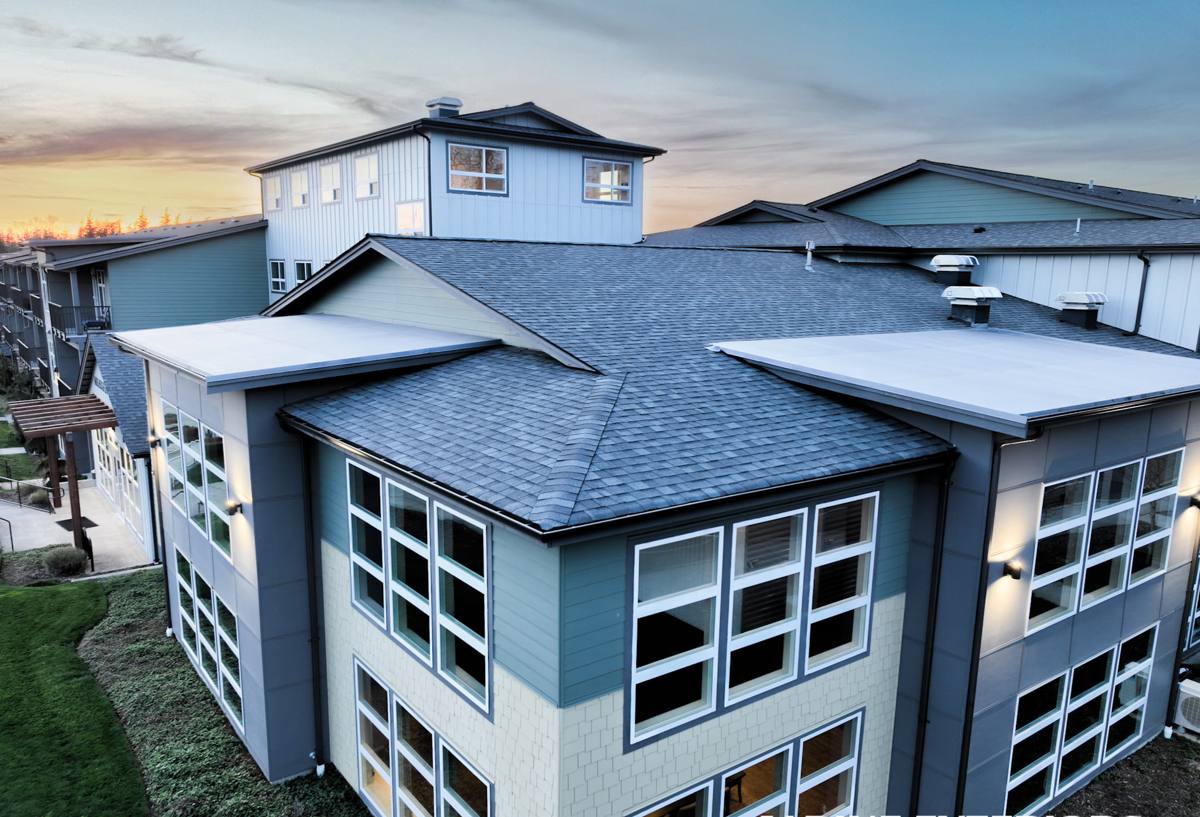
 Asphalt Shingle Roofing Built for Rosemary District
Rosemary District sits close enough to the water that every roof in the neighborhood is doing double duty: shedding heavy seasonal rain and standing up to salt-laden air that never really stops moving. Asphalt shingles remain the most practical roofing choice for most homes here — they're proven, repairable, cost-predictable, and available in wind-rated products that meet Sarasota County's building code. But "asphalt shingles" isn't one product. The difference between a roof that holds up for two decades and one that fails at year eight almost always comes down to the specific shingle rating, the underlayment system beneath it, and how carefully the details were installed — not the shingle brand alone.
This page covers what an asphalt shingle roof actually needs to perform in Rosemary District's climate, what a correct installation or repair involves, and how our process works when we're on your property. We keep a crew working this part of Sarasota regularly, and that local familiarity — with the wind exposure, the older housing stock mixed with newer infill, and the county's permitting process — shapes how we plan and execute every job here.
What Rosemary District's Climate Actually Does to a Roof
Sarasota County sits in a high-wind coastal zone, and Rosemary District's proximity to downtown and the bay means roofs face a combination of stressors that inland Florida neighborhoods don't deal with to the same degree.
Wind and Uplift
Hurricane-force gusts don't just push against a roof — they create uplift pressure at edges, ridges, and corners that can peel shingles if they're not properly rated and fastened. Florida Building Code requires specific wind ratings for this zone, and the fastening pattern matters as much as the shingle itself. A shingle rated for high wind that's nailed with the wrong pattern or nail count performs like a cheap shingle.
UV Exposure
Florida sun is intense and consistent year-round, not seasonal. UV breaks down the asphalt in shingles over time, drying out the mat and causing granule loss. This is a slow, cumulative process — a roof can look fine from the ground while losing the granule coverage that protects it from water intrusion.
Wind-Driven Rain
Straight-down rain and wind-driven rain behave differently on a roof. Wind-driven rain gets pushed sideways and upward under shingle edges, around vents, and along flashing lines — areas that a roof designed only for vertical rainfall doesn't protect well. This is why underlayment selection and flashing detail work matter more here than in drier, calmer climates.
Salt Air
Salt in the air accelerates corrosion on any exposed metal — roofing nails, flashing, vent caps, and drip edge. Once corrosion starts on fasteners, it compromises the roof's grip on the shingles above it, which is a slow-motion failure point that's easy to miss during a casual look from the ground.
What a Correct Asphalt Shingle Roof Needs Here
Given those conditions, a roof built for Rosemary District should include a few things that a generic installation might skip.
- A wind-rated shingle product that meets or exceeds Sarasota County's Florida Building Code requirements for this wind zone
- A correct nailing pattern — typically six nails per shingle in high-wind zones, placed in the manufacturer's specified nailing zone
- Self-adhering underlayment at eaves, valleys, and around penetrations to resist wind-driven rain intrusion
- Corrosion-resistant flashing and fasteners, given the salt air exposure this close to the coast
- Proper attic ventilation, since heat buildup under the deck accelerates shingle aging from underneath
- Sealed, properly flashed penetrations for vents, stacks, and any roof-mounted equipment
None of these are exotic upgrades — they're standard trade practice for this region. The issue is that they're also the details most likely to get shortcut on a rushed or underpriced job, because they don't show up in a photo of a finished roof.
Roof Replacement vs. Repair: How We Decide
Not every roofing problem in Rosemary District calls for a full replacement, and we don't default to recommending one. The right call depends on the roof's age, the extent of damage, and whether the underlying deck and underlayment are still sound.
| Situation | Repair Usually Makes Sense | Replacement Usually Makes Sense |
|---|---|---|
| Roof age | Under 12-15 years, isolated issue | Approaching or past 20 years |
| Damage pattern | Localized (one slope, one leak point) | Widespread granule loss or multiple leak areas |
| Deck condition | Sound, no soft spots | Soft decking, rot, or repeated water staining |
| Shingle condition | Shingles still pliable, not brittle | Shingles curling, cracking, or brittle to the touch |
| Insurance/storm context | Minor wind or debris damage | Documented storm damage affecting large sections |
We'll always give you a straight answer on which category your roof falls into, including when a repair is the honest recommendation even if a replacement would be the bigger job for us.
Our Process on a Rosemary District Roofing Job
1. On-Site Assessment
We inspect the roof surface, decking access points, attic ventilation, and flashing details — not just a drive-by look. For older homes in this area, we also check for signs of prior repairs that may have been done without proper flashing or underlayment.
2. Written Scope and Options
You get a clear breakdown of what's needed, what's optional, and why — including shingle options, underlayment upgrades, and any deck repair that's required before new shingles go down. We explain trade-offs honestly: a heavier architectural shingle costs more but handles wind and UV better over its lifespan than a basic three-tab product.
3. Permitting
Roofing work in Sarasota County requires a permit, and we handle that process as part of the job rather than leaving it to the homeowner.
4. Tear-Off and Deck Inspection
We remove the existing roofing down to the deck and inspect for rot, soft spots, or prior damage before anything new goes on. Any compromised decking gets replaced — installing new shingles over a bad deck just moves the problem a few years down the road.
5. Underlayment and Flashing
This is where wind-driven rain resistance actually gets built in. We install self-adhering underlayment at vulnerable points and use corrosion-resistant flashing throughout, given the salt air exposure common to this part of Sarasota.
6. Shingle Installation
Shingles go down with the fastening pattern specified for this wind zone, not a generic pattern. Ridge, hip, and edge details get the extra attention they need since these are the areas most exposed to uplift.
7. Final Walkthrough
We walk the finished roof and the site with you, confirm ventilation is functioning, and make sure the property is cleaned up before we consider the job done.
Choosing a Shingle Product
Most manufacturers now offer wind-rated lines suitable for coastal Florida, ranging from standard three-tab shingles to heavier architectural (dimensional) shingles. We don't push a single brand — we match the product to your budget, the roof's exposure, and how long you want the roof to last with minimal maintenance. Architectural shingles generally cost more upfront but offer better wind performance and a longer realistic service life in this climate, which is worth discussing honestly rather than defaulting to the cheapest option on the shelf.
What we do avoid recommending is any product or installation shortcut that trades long-term durability for a lower sticker price in ways that aren't disclosed upfront — that's a standard we hold regardless of what a homeowner initially asks for.
Maintenance That Actually Extends Roof Life Here
A well-installed asphalt shingle roof in Rosemary District still benefits from basic upkeep given the local conditions.
- Clear debris from valleys and gutters after storms so water doesn't pool against shingle edges
- Have flashing and fasteners checked periodically for corrosion, especially on older homes closer to the water
- Watch for granule accumulation in gutters, which signals UV-driven wear
- Address small leaks quickly — wind-driven rain intrusion tends to travel before it shows up as a visible ceiling stain
- Keep attic ventilation clear so heat and moisture don't accelerate shingle aging from underneath
Why Local Experience in Rosemary District Matters
A crew that regularly works this part of Sarasota County knows the wind exposure patterns particular to properties near downtown and the bay, understands the mix of older and newer construction in the area, and has an established relationship with the county's permitting process. That familiarity translates into fewer surprises during the job — we're not learning the neighborhood's quirks on your roof. It also means we're positioned to respond quickly if storm damage needs attention, rather than being scheduled in from across the region.
If you're weighing a repair, a full replacement, or just want an honest read on your current roof's condition, we're glad to take a look. Reach out for a free, no-pressure estimate using the form below.